Before the Couch. Before the Paint. Why Flooring Should Be the First Decision You Make
A lot of renovations start with excitement. Someone saves photos of kitchens. Orders fabric samples. Picks out a sectional. Maybe even choose a bold wall color before anything else is finalized. Flooring usually comes later. It gets squeezed into the timeline after cabinets are ordered and paint has already gone up. Sometimes it is chosen because it "matches enough." Sometimes because it is available quickly. That order feels harmless at the moment. In reality, it creates most of the design problems homeowners run into later. In Marietta homes especially, where open layouts and natural light play a big role, flooring sets the tone long before furniture does. Crews at Double N Services have seen it countless times. Change the floor first, and every other decision becomes easier. Leave it for last, and everything feels like a compromise.
The Floor Is the Largest Surface in the House
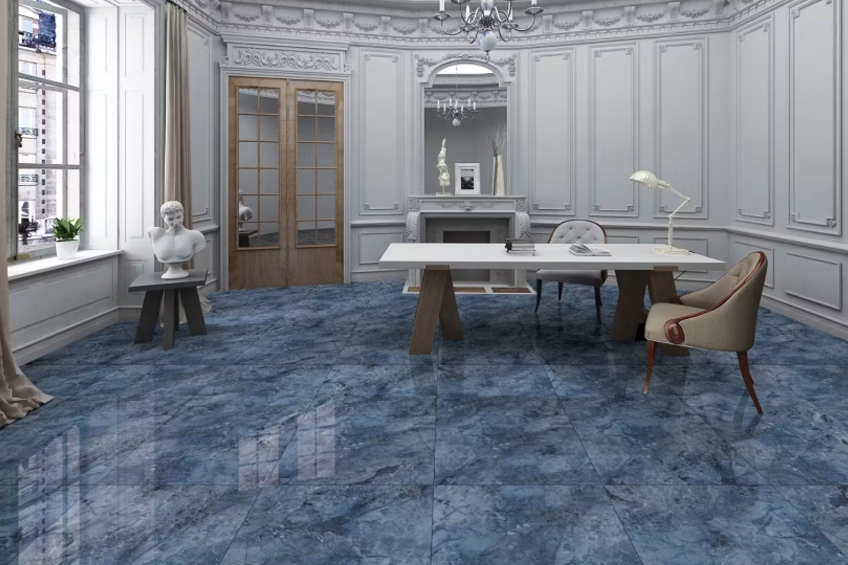
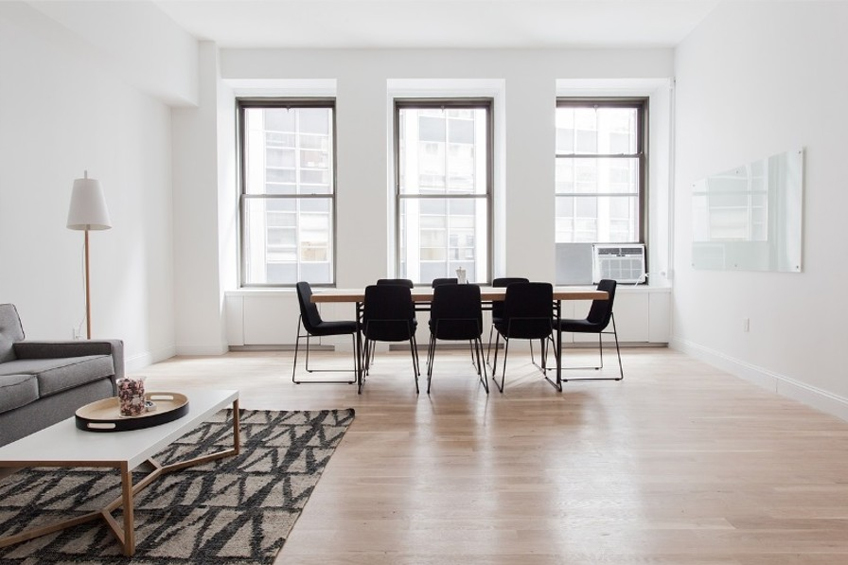
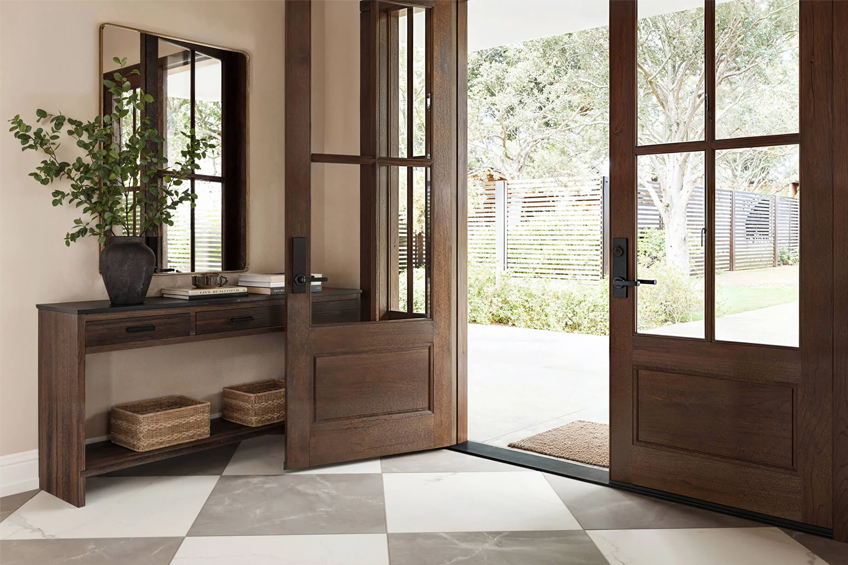
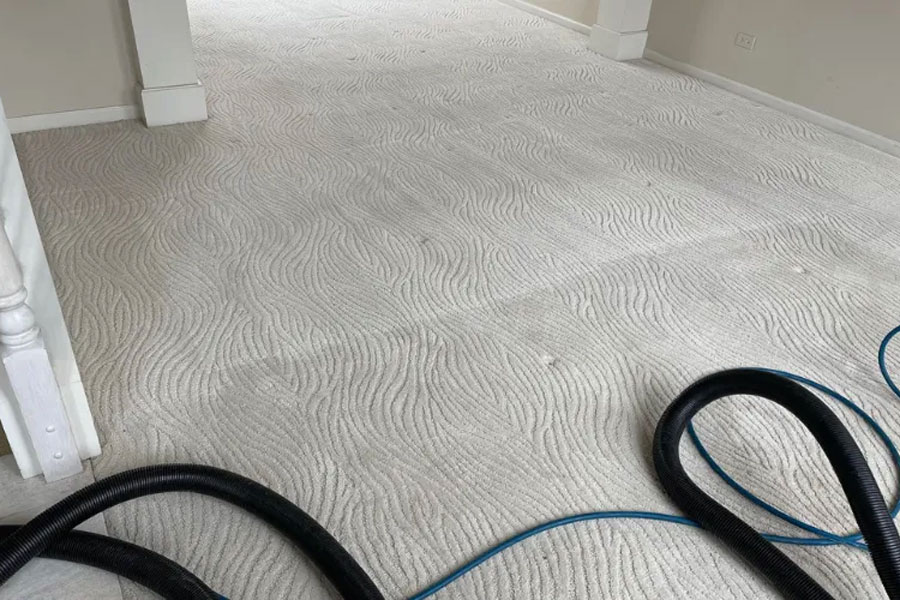
Walls get more attention because they sit at eye level. But step back and think about scale. The floor runs continuously through hallways, across living spaces, under dining tables, and into bedrooms. It is the only surface that physically connects every room. It carries the visual weight of the entire layout. If that foundation is off, nothing layered on top will feel completely right. Dark planks can make a bright space feel grounded. Pale wood can open up smaller rooms. Busy patterns can shrink a space without anyone realizing why it suddenly feels tighter. Those shifts are not subtle.
Paint Always Reacts to the Floor
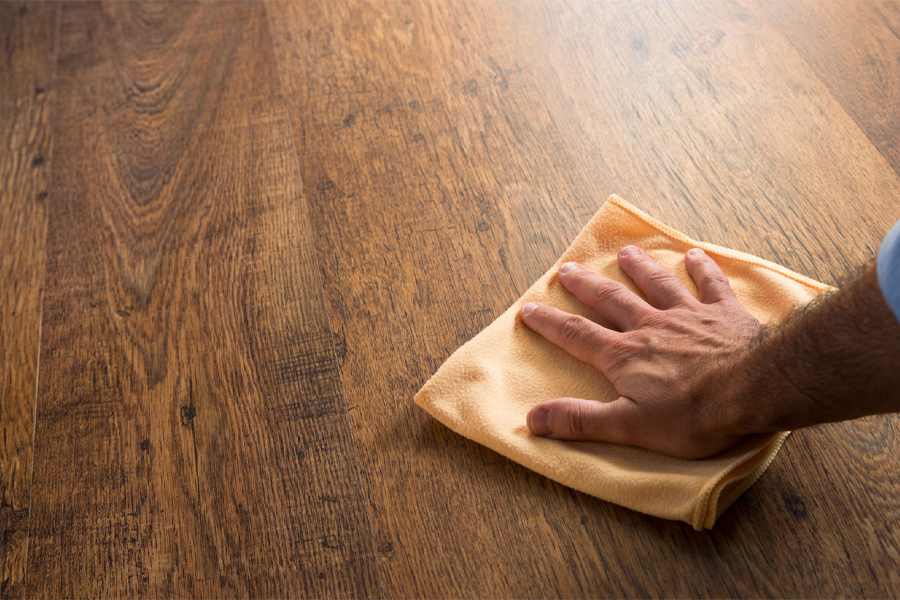
A paint swatch taped to a wall looks one way in isolation. Install warm toned hardwood beneath it, and that same paint can suddenly look more yellow. Install cool toned flooring, and beige walls may appear dull or slightly gray. Homeowners often blame the paint. It is usually the floor influencing it. Choosing flooring first allows wall colors to be selected in response. Instead of fighting undertones later, everything works together from the start. That order prevents expensive repainting and second guessing.
Furniture Is Not Neutral
Wood dining tables, coffee tables, bed frames. Even upholstered pieces carry undertones. A sofa that looked perfect in the showroom might feel too heavy on dark floors. A light oak table can disappear completely against similar flooring. When floors are installed first, furniture selection becomes intentional. Contrast is planned. Tones are balanced. Nothing feels accidental. Without that base decision, rooms can look mismatched even when each individual piece is high quality.
Light Changes Everything
Natural light hits the ground first. A matte finish softens brightness. A glossy finish reflects it sharply. Lighter tones amplify daylight. Lighting choices later in the project will react to whatever is underfoot. Warm bulbs feel warmer against certain woods. Cool bulbs exaggerate gray undertones. When flooring comes first, lighting can be adjusted accordingly instead of clashing unexpectedly.
Renovation Feels More Controlled
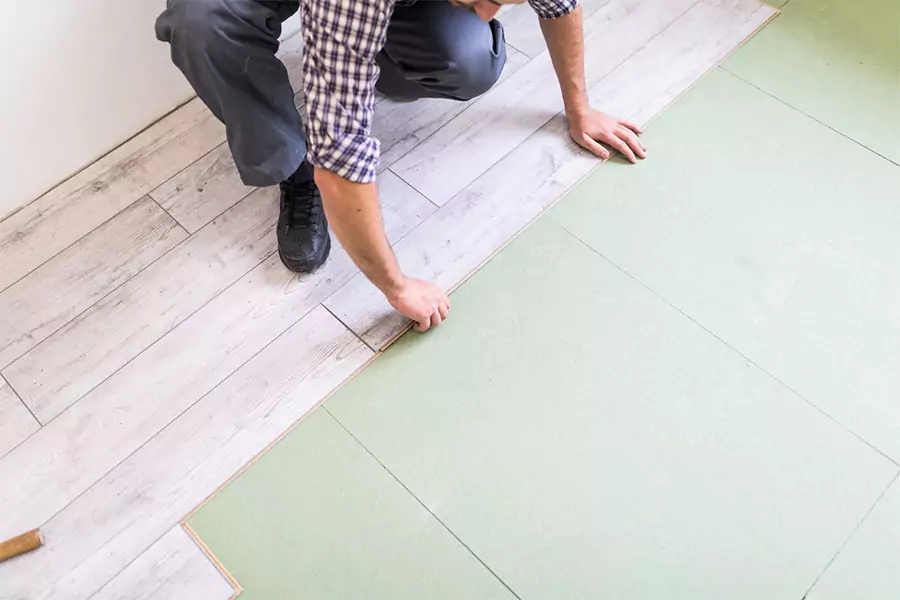
There is also a logistical side. Installing flooring early means heavy furniture has not yet been placed. Cabinets are not in the way. The space is clear. Installers can focus fully on leveling, spacing, and finishing edges correctly. Rushing flooring at the end often means working around obstacles, which increases the risk of minor imperfections.
Those imperfections become permanent.