The Most Expensive Flooring Mistakes Homeowners Make (And How to Avoid Them)
Flooring usually feels simple at the beginning. You pick a color. Choose a material. Schedule installation. The floor looks perfect at first. Clean lines. Smooth finish. Nothing seems wrong. Then time passes. A small shift appears near a doorway. Boards start separating slightly. Certain areas wear faster than expected. The floor still works, but it does not feel as solid as it should. In many Marietta homes, these problems trace back to decisions made early in the process. Crews at Double N Services have seen how avoidable most of these situations are.
Choosing What Looks Good Instead of What Works
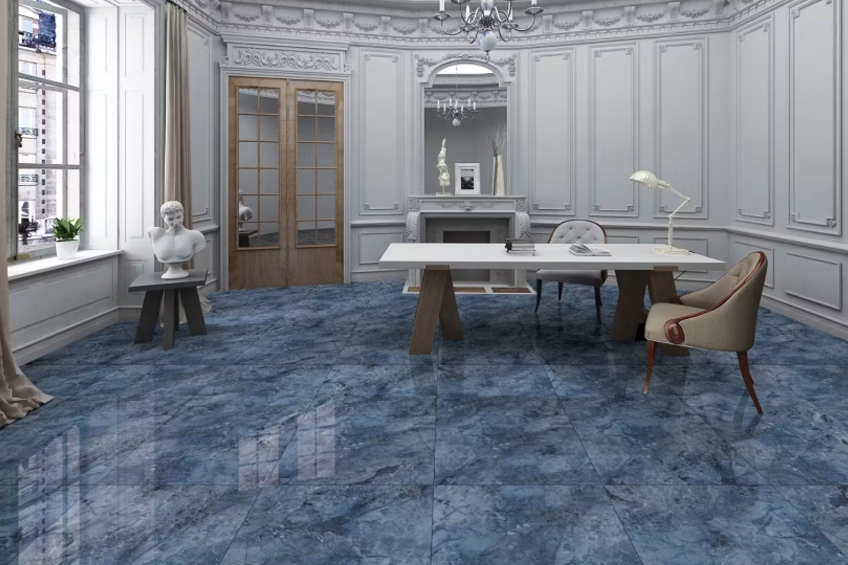
The first instinct is always visual. Homeowners bring home samples. Hold them against cabinets. That part makes sense. What often gets overlooked is how the material behaves once it is installed. Georgia humidity affects wood differently than drier climates. Others remain stable. Kitchens and entryways experience moisture that bedrooms will never. A floor that looks perfect in a sample can struggle in the wrong environment. Material selection needs to match how the space is actually used, not just how it looks.
Installing Over an Unprepared Surface
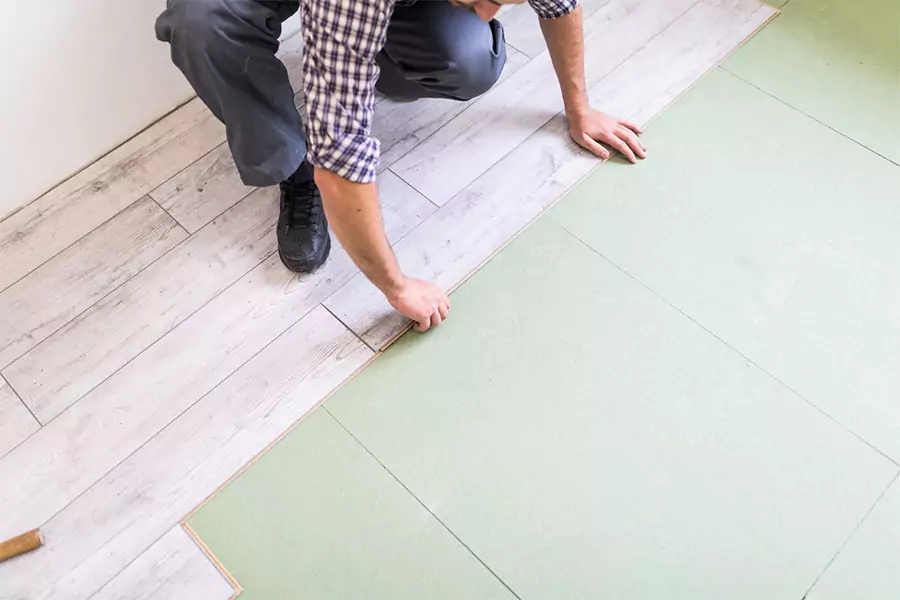
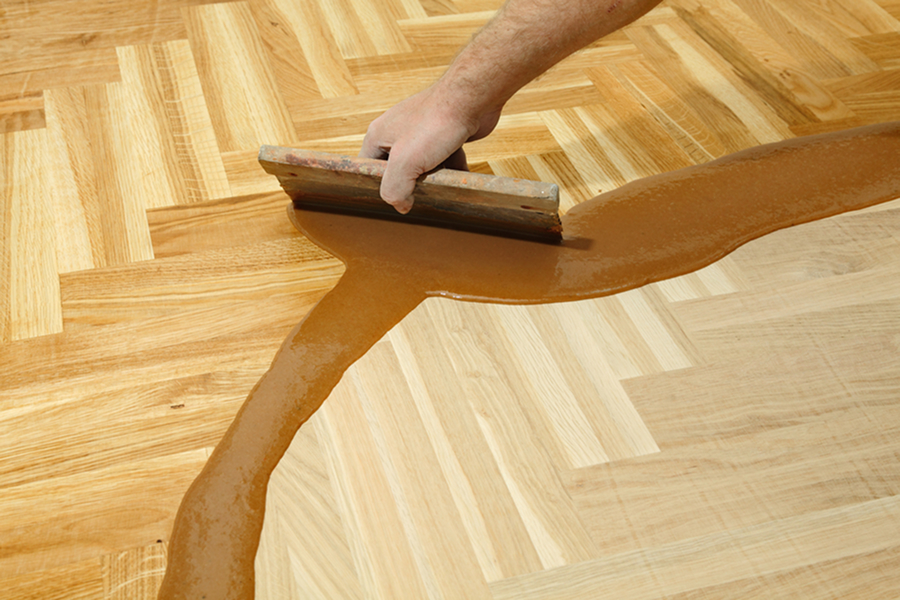
What sits underneath the floor matters more than people expect.
Subfloors can carry slight dips, uneven sections, or hidden moisture. None of that is obvious until the old flooring is removed. If new material is installed without correcting those issues, the surface above reflects those imperfections. Boards may not sit even.
Using the Same Material Everywhere Without Considering Use
Different rooms experience different conditions. Entryways handle dirt and moisture from outside. Kitchens deal with spills and humidity. Living areas carry constant foot traffic. Bedrooms stay relatively stable. Using the same flooring everywhere may look consistent, but it is not always practical.
Matching material durability to each space helps flooring last longer and maintain its appearance. This decision affects performance more than most people realize.
Overlooking Transition Details
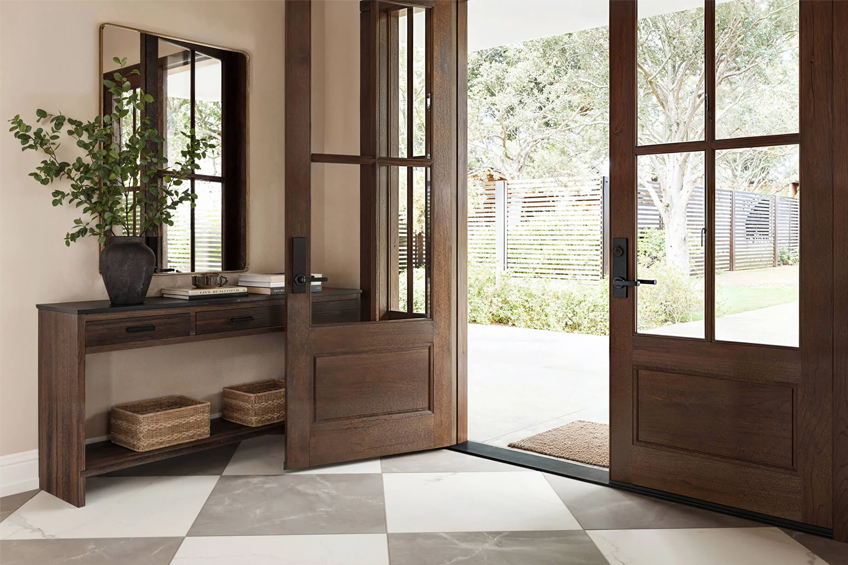
Doorways and room transitions reveal the quality of installation quickly.
Uneven thresholds. Visible gaps between materials.
These small details influence how finished the home feels.
When transitions are handled carefully, the floor flows naturally from one room to another.
Thinking Flooring Is Only Cosmetic
Flooring changes how a home looks, but it also affects how it feels.
A properly installed floor feels stable underfoot. Quiet. That difference becomes more noticeable as months pass.
Avoiding Problems Before They Start
Most flooring problems are not caused by the material itself. They come from preparation, planning, and installation decisions. Choosing the right material for the environment. Preparing the subfloor correctly. Allowing time for proper installation. Working with professionals familiar with Marietta homes and climate. These steps prevent costly corrections later. Flooring is not something homeowners replace often. Doing it correctly the first time makes all the difference years down the line.
Rushing The Whole Process
Patience is the key in everything. If a professional is rushing things the result is going to cost a fortune in the future in terms of repair.